Table Of Content
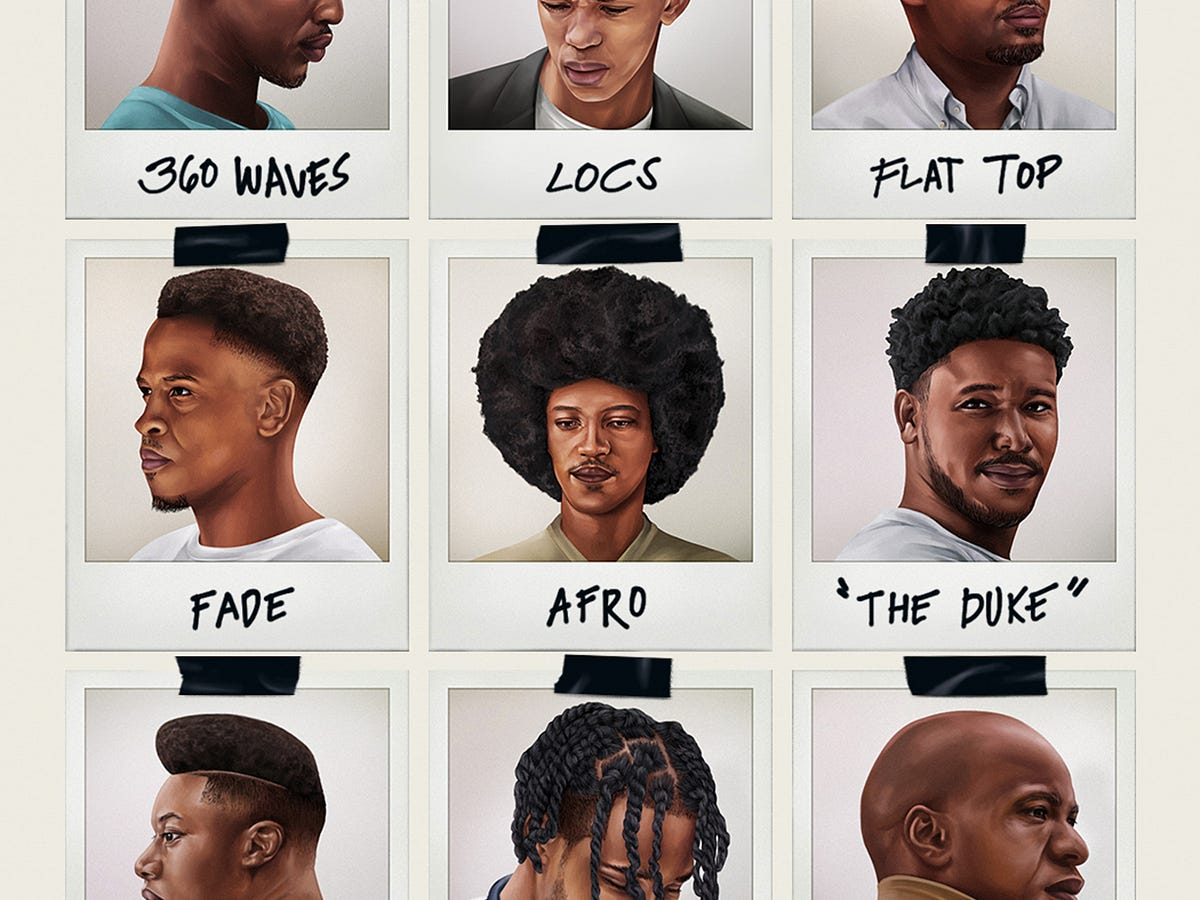
In this example, your hair would contain primarily a combination of “O” shaped spiral curls and “S” shaped curly waves with defined hills and valleys. Type 4C hair is characterized by very tight, compact spirals with less defined curls. This hair type is often the most fragile and prone to breakage, but it is also incredibly strong when properly cared for. Each type of African American hair has its unique characteristics, challenges, and beauty. Knowing your hair type means unlocking the key to a tailored hair care routine that nourishes, protects, and celebrates your hair's natural beauty.
Hair texture
Black women with 4C hair often embrace their natural hair texture, appreciating its unique beauty and versatility. It can be styled in various ways, including twist-outs, braid-outs, wash-and-go styles, and protective hairstyles like braids, twists, or locs. These styles not only showcase the beauty of 4C hair but also provide protection and help maintain its health and length. This hair is tightly coiled with a defined S-shaped curl pattern.
Twist Hairstyles plus a Tutorial to Elevate Your Natural Hair Looks
And if you already know what you’re working with, seek out as many naturalistas online and in person with hair similar to yours. One of the keys to beauty (and health) is familiarity — and the more familiar you become with your hair type, the better you’ll care for it. Be cautious of products, treatments, or styles that pull on the scalp or weaken the hair. Anyone who finds that their hair is growing weaker, thinning, or excessively shedding may benefit from consulting a doctor, such as a dermatologist, who is well-versed in Black hair care. A curved hair follicle creates curly hair, while a round hair follicle creates straight hair. The fact that the Afro hair type is characterized by having very tight and coiled curls that start curling from the root, gives the illusion of higher density.
C. Protecting Black hair and its health
It can be considered somewhere in the middle, like a blend of the two. To determine your hair type, wash it and let it air-dry without adding any products. Next, compare your hair’s natural pattern and texture to hair typing charts or descriptions. The prevailing thought was that the original hair typing system left this hair type out. Consequently, Type 3C hair has been defined as tight curls or coils that look like corkscrews.
Plus, by protecting your ends, these styles can help you retain precious length and prevent breakage (especially if you've relaxed your hair or damaged it in other ways). Below, we've rounded up our favorite protective styles with expert tips on achieving and maintaining each look. Curling irons and heated rollers can create loose curls or waves. It's a reminder that our commitment to celebrating diversity in all its forms goes beyond hair; it extends to the narratives and experiences of the people who carry this unique heritage. However, the new movements of embracing natural hair have encouraged people to promote pride and appreciation for all hair types, including Afro hair.

This wave type is easy to comb and requires a minimal amount of styling. Look for shampoos and conditioners that won’t make your hair limp, but instead add a little bit of volume. Hair type, from pin-straight to kinky, depends on the shape of the hair follicle itself. Type 3C curls are tight corkscrews that range in circumference from a straw to a pencil. Strands are densely packed together, giving way to lots of natural volume.
We Tried Beyoncé's New Hair-Care Line, Cécred, on 3 Different Hair Types - Allure
We Tried Beyoncé's New Hair-Care Line, Cécred, on 3 Different Hair Types.
Posted: Wed, 28 Feb 2024 08:00:00 GMT [source]
Box braids are individual plaits that are usually divided by small, squared-off parts, or boxes, and have extension hair added to them for protection, length, and longevity of style. Jumbo twists are large sections of hair divided up into two strands and wrapped in the same direction. Cornrows result from a three-strand braid that has hair added to each strand after completing one rotation sequence. The outcome is a raised braid that is typically very close to the scalp. High porosity hair is like having a bunch of holes in your hair.
Natural Hair Tips: Caring for the Crochet Twist and Other Protective Styles with Daven Mayeda
In a 2014 study that included Black female participants, 68% reported that their physician did not seem to understand Black hair. This can make it difficult for people to get advice about issues such as hair loss, which can affect self-esteem and mental health. Chemical relaxers can damage the hair and scalp if applied incorrectly. Always have a professional stylist perform these treatments in a salon.
Type 3: Curly Hair
People of all races need to evaluate their hair and learn what products work best. For example, a volumizing shampoo is something that is not commonly used in the Black community. However, if you have oily hair that needs to be shampooed twice a week because your hair loses style and falls flat, a volumizing shampoo could do the trick.

Understanding the differences and similarities among these types can provide valuable insights into hair care. However, its moisture retention capacity is much higher than that of the other type 4’s. Type 4 hair usually looks coarse but is actually very fine and the hair strands are normally thickly packed together. Type 4 hair is the driest hair type which makes it more fragile. It also comes with its own bag for any broken pieces (continued use will eventually cause it to break), so you don’t waste any product, according to the brand. This bar is also highly rated, with a 4.8-star average rating from over 270 reviews at Superzero.
1C hair is the coarsest and most textured form of straight hair. It remains straight but has more texture than straight hair types like 1A. For instance, 1A is pin-straight from root to tip and lacks body or volume. If your hair is entirely straight with some texture but without waves, it’s more likely 1C.


No comments:
Post a Comment